





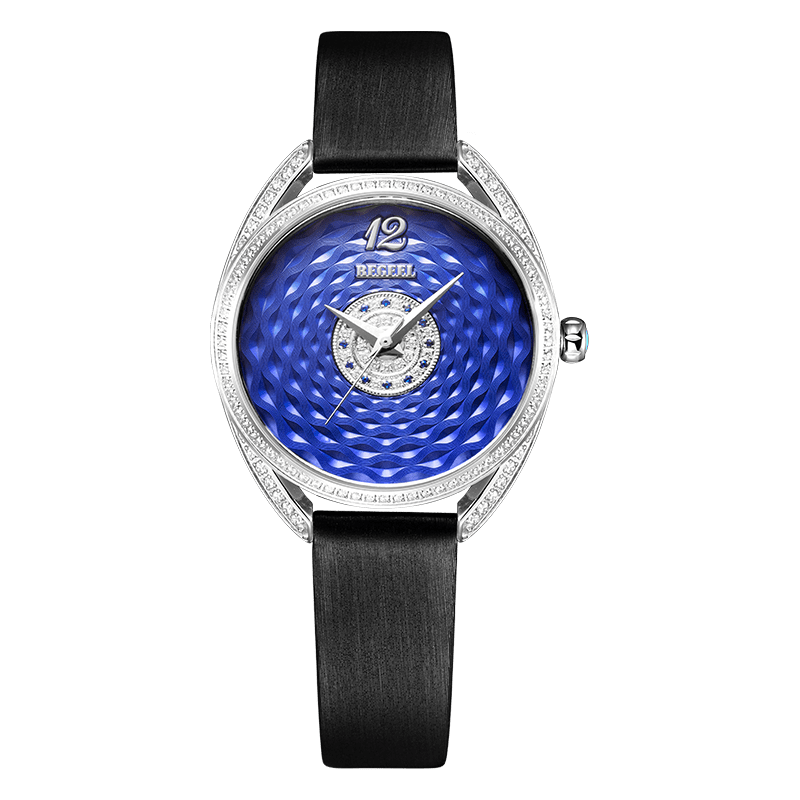
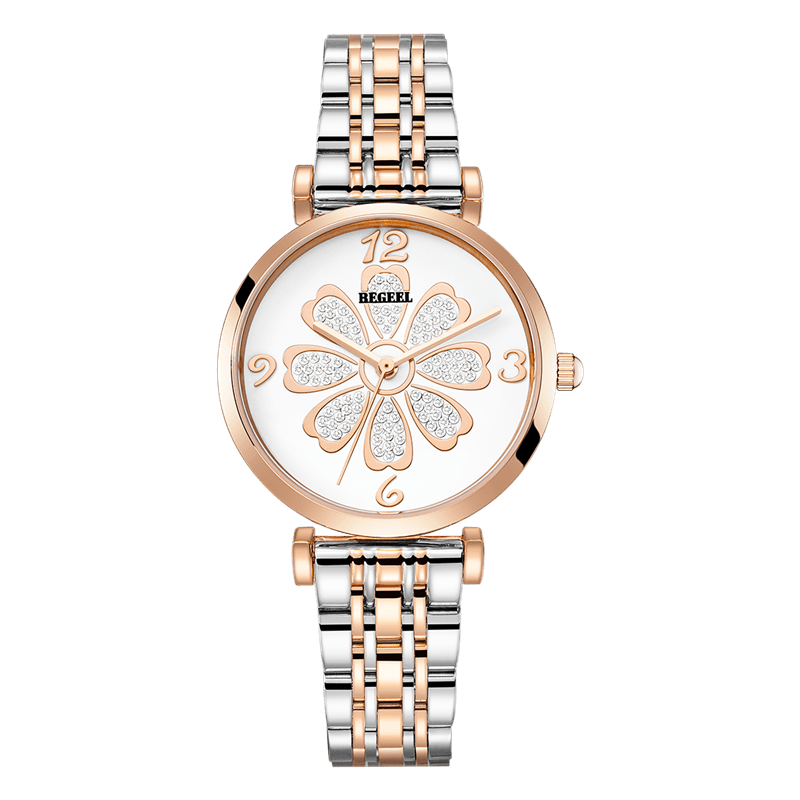
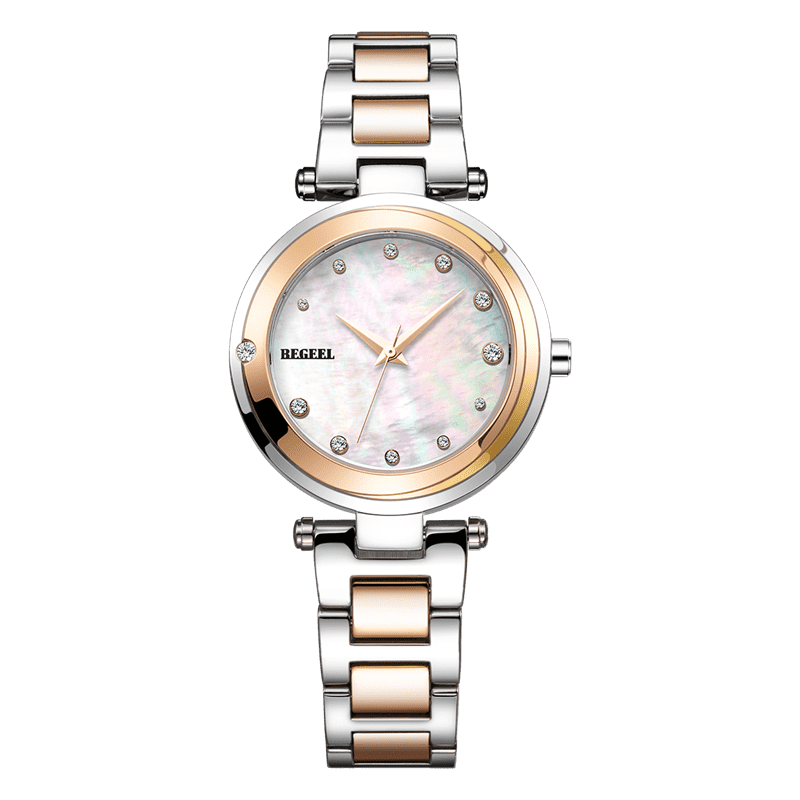
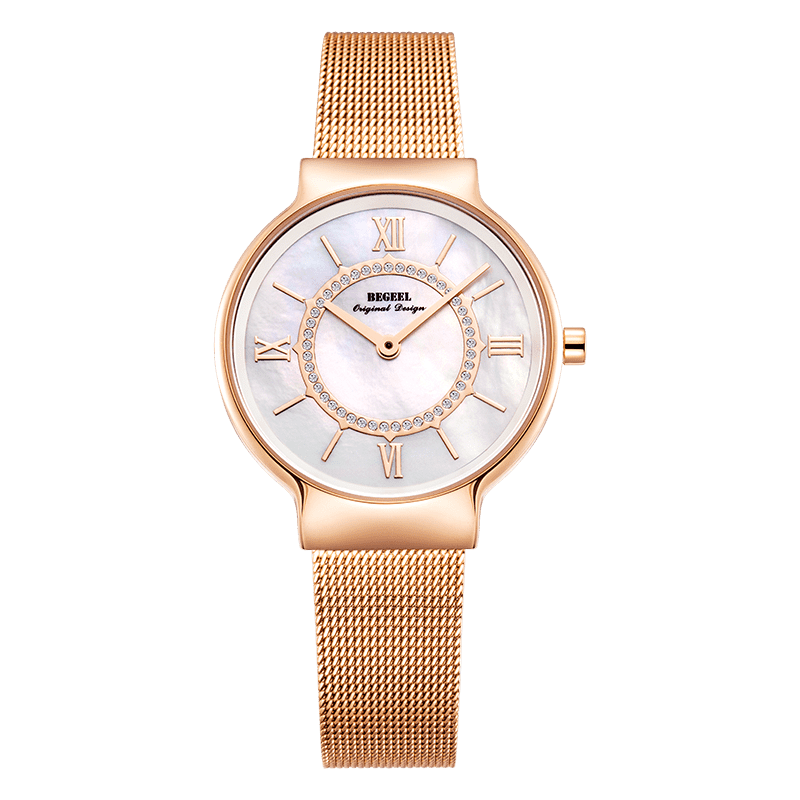




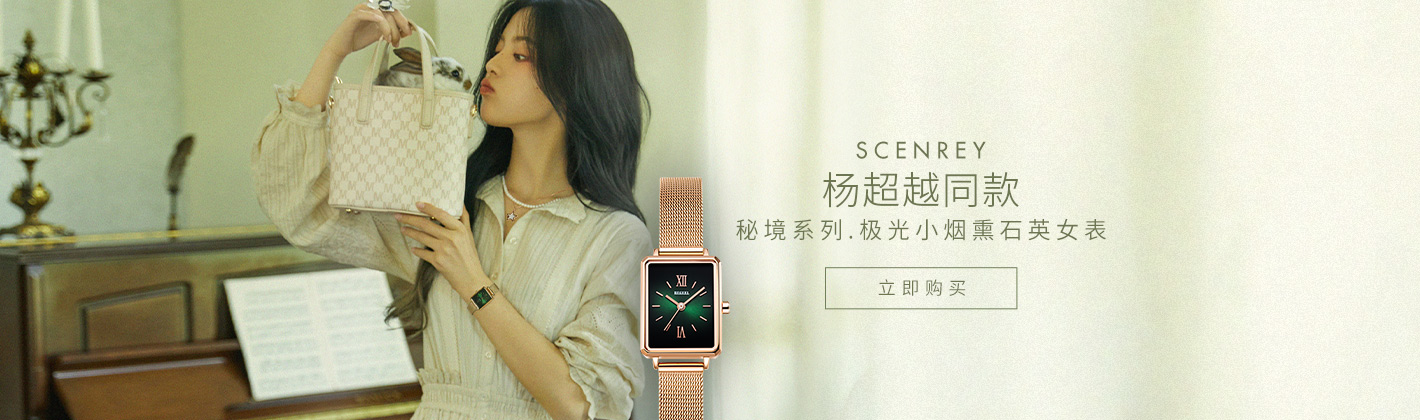
 <<< 掃碼關注,GET明星同款
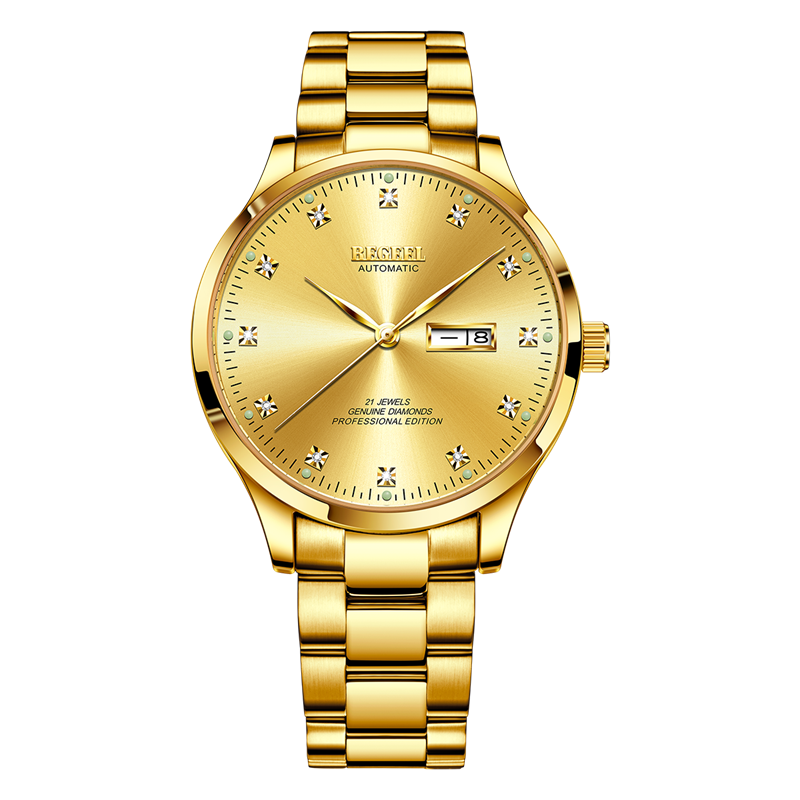
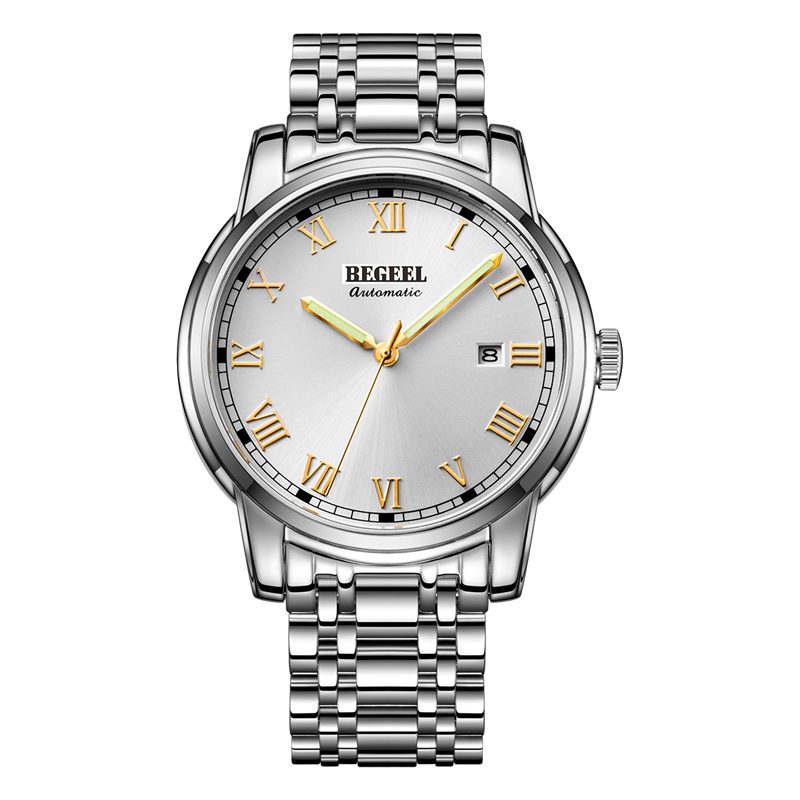
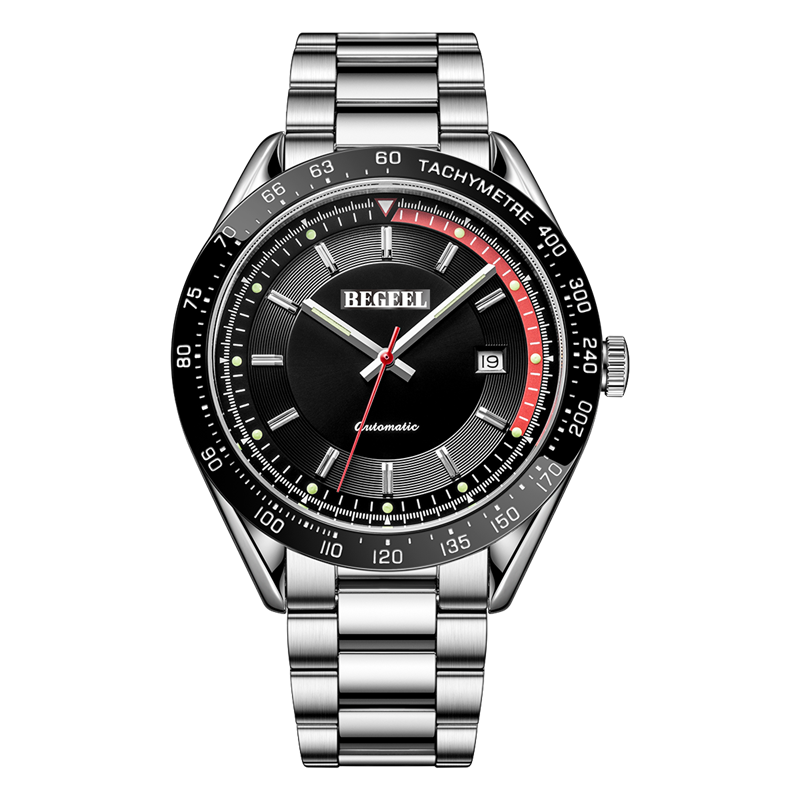
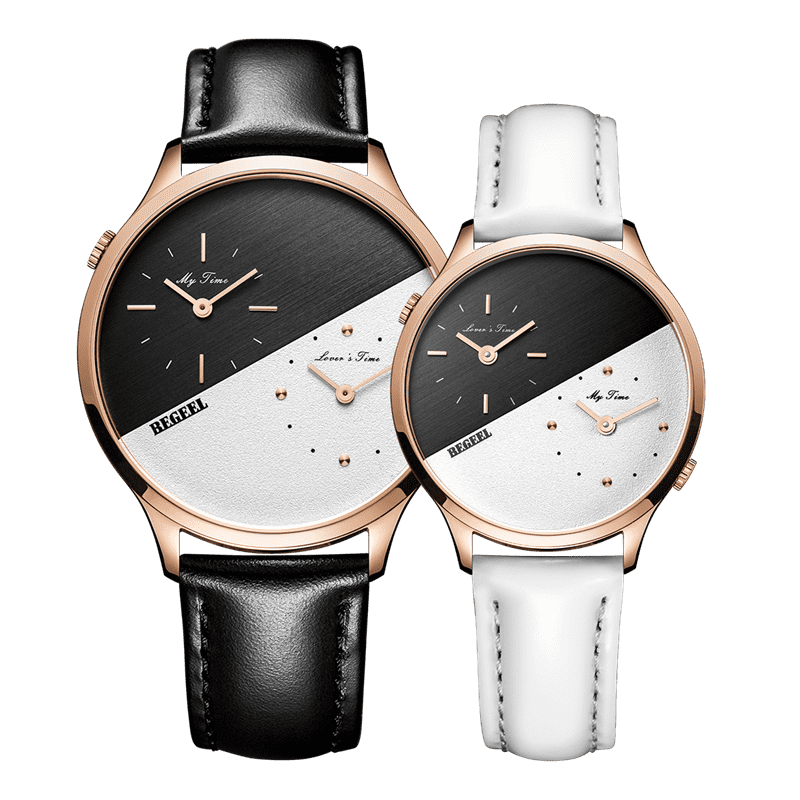
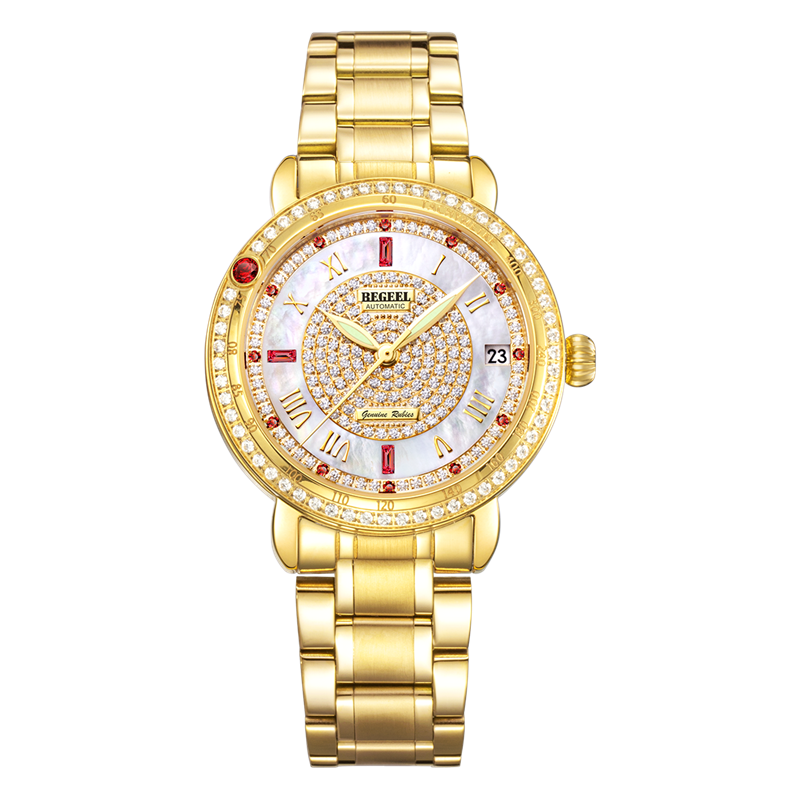
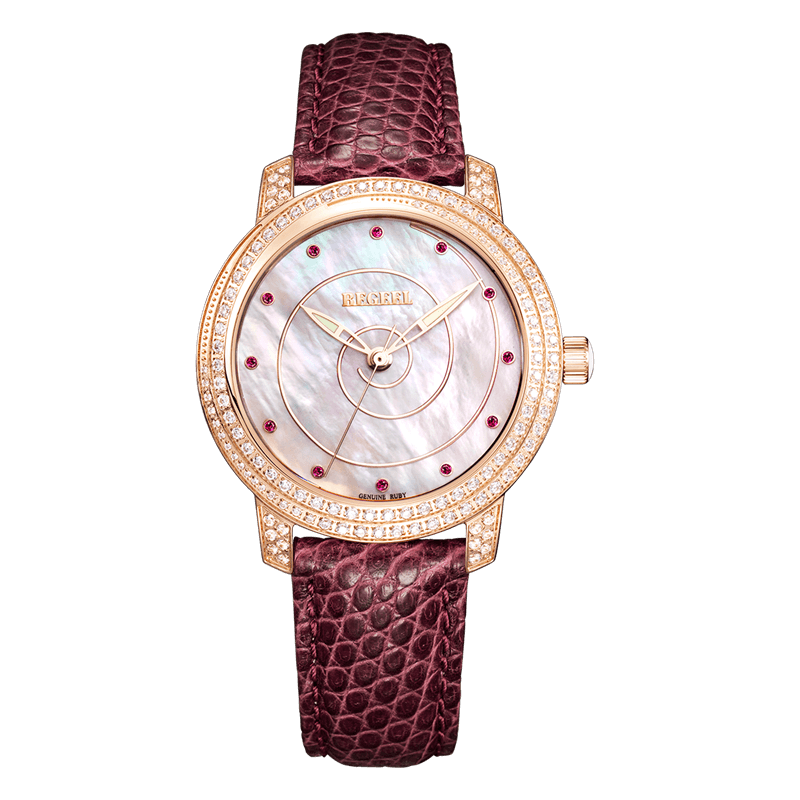
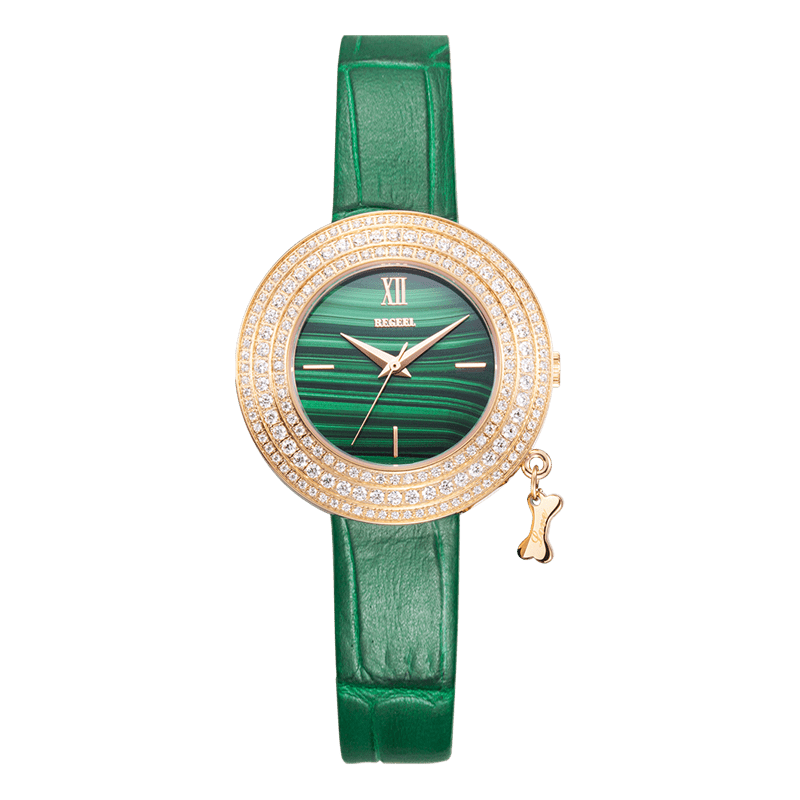
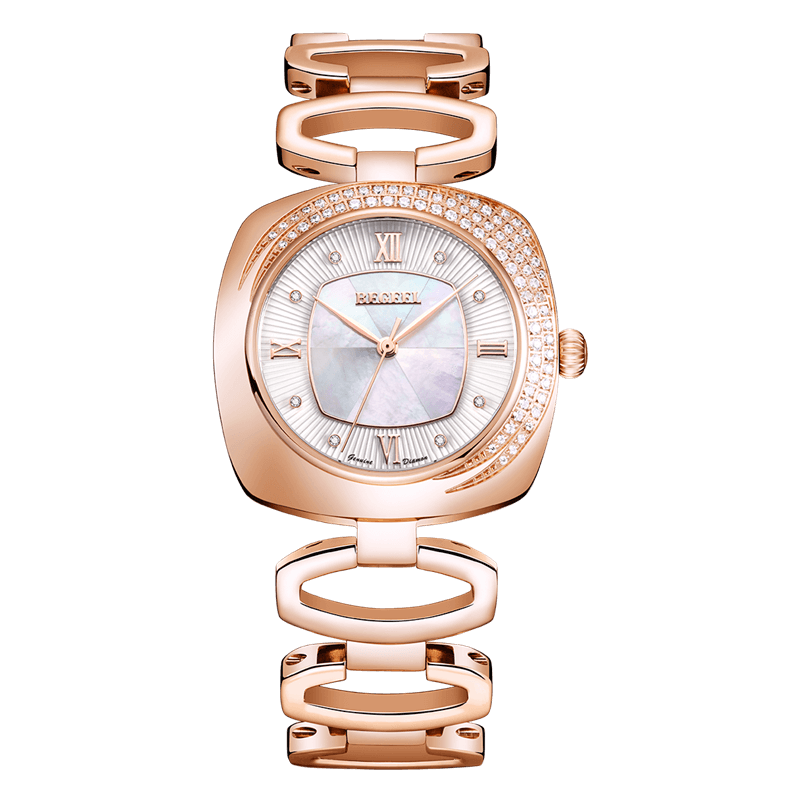
邊肖分享道:“如(ru)(ru)何給手(shou)(shou)表(biao)(biao)(biao)(biao)上(shang)(shang)弦(xian)(xian)?機(ji)(ji)(ji)械(xie)(xie)(xie)(xie)表(biao)(biao)(biao)(biao)的(de)(de)正確上(shang)(shang)弦(xian)(xian)方(fang)法“當我(wo)聽(ting)到(dao)(dao)(dao)手(shou)(shou)表(biao)(biao)(biao)(biao)這(zhe)(zhe)個(ge)詞時(shi)(shi),我(wo)相信第一(yi)時(shi)(shi)間想到(dao)(dao)(dao)的(de)(de)是(shi)(shi)瑞士(shi)機(ji)(ji)(ji)械(xie)(xie)(xie)(xie)表(biao)(biao)(biao)(biao)。寶石鑲嵌(qian)的(de)(de)精(jing)湛(zhan)工(gong)藝和奢華大氣(qi)讓人愛不釋(shi)手(shou)(shou)。但是(shi)(shi)機(ji)(ji)(ji)械(xie)(xie)(xie)(xie)表(biao)(biao)(biao)(biao)并不完美,也有(you)(you)一(yi)些缺點,比如(ru)(ru)上(shang)(shang)發(fa)(fa)條。機(ji)(ji)(ji)械(xie)(xie)(xie)(xie)表(biao)(biao)(biao)(biao)是(shi)(shi)靠上(shang)(shang)發(fa)(fa)條來提供動(dong)(dong)力的(de)(de),時(shi)(shi)間是(shi)(shi)靠齒(chi)輪(lun)的(de)(de)轉動(dong)(dong)來計(ji)量的(de)(de)。目前機(ji)(ji)(ji)械(xie)(xie)(xie)(xie)表(biao)(biao)(biao)(biao)分為自(zi)(zi)動(dong)(dong)機(ji)(ji)(ji)械(xie)(xie)(xie)(xie)表(biao)(biao)(biao)(biao)、半(ban)自(zi)(zi)動(dong)(dong)機(ji)(ji)(ji)械(xie)(xie)(xie)(xie)表(biao)(biao)(biao)(biao)和手(shou)(shou)動(dong)(dong)機(ji)(ji)(ji)械(xie)(xie)(xie)(xie)表(biao)(biao)(biao)(biao)。手(shou)(shou)動(dong)(dong)機(ji)(ji)(ji)械(xie)(xie)(xie)(xie)表(biao)(biao)(biao)(biao)就(jiu)是(shi)(shi)用(yong)(yong)手(shou)(shou)手(shou)(shou)動(dong)(dong)給手(shou)(shou)表(biao)(biao)(biao)(biao)上(shang)(shang)發(fa)(fa)條。說白了就(jiu)是(shi)(shi)每(mei)天晚上(shang)(shang)都(dou)(dou)要自(zi)(zi)己上(shang)(shang)發(fa)(fa)條,這(zhe)(zhe)樣(yang)才能保證第二天手(shou)(shou)表(biao)(biao)(biao)(biao)的(de)(de)正常運轉。對于(yu)半(ban)自(zi)(zi)動(dong)(dong)機(ji)(ji)(ji)械(xie)(xie)(xie)(xie)表(biao)(biao)(biao)(biao),在手(shou)(shou)表(biao)(biao)(biao)(biao)機(ji)(ji)(ji)芯中有(you)(you)一(yi)個(ge)附加的(de)(de)自(zi)(zi)動(dong)(dong)上(shang)(shang)弦(xian)(xian)裝置。手(shou)(shou)表(biao)(biao)(biao)(biao)戴在手(shou)(shou)上(shang)(shang)時(shi)(shi),鐘擺(bai)會以(yi)固定的(de)(de)方(fang)向擺(bai)動(dong)(dong),帶動(dong)(dong)手(shou)(shou)表(biao)(biao)(biao)(biao)機(ji)(ji)(ji)芯發(fa)(fa)條盒中的(de)(de)發(fa)(fa)條,從而起(qi)到(dao)(dao)(dao)上(shang)(shang)弦(xian)(xian)的(de)(de)作(zuo)(zuo)用(yong)(yong)。最終的(de)(de)全自(zi)(zi)動(dong)(dong)機(ji)(ji)(ji)械(xie)(xie)(xie)(xie)表(biao)(biao)(biao)(biao)的(de)(de)原理和半(ban)自(zi)(zi)動(dong)(dong)機(ji)(ji)(ji)械(xie)(xie)(xie)(xie)表(biao)(biao)(biao)(biao)差不多,但是(shi)(shi)無(wu)論我(wo)們往(wang)哪個(ge)方(fang)向走,鐘擺(bai)都(dou)(dou)會起(qi)到(dao)(dao)(dao)上(shang)(shang)弦(xian)(xian)的(de)(de)作(zuo)(zuo)用(yong)(yong)。說白了,不管是(shi)(shi)順時(shi)(shi)針還是(shi)(shi)逆時(shi)(shi)針走,都(dou)(dou)會起(qi)到(dao)(dao)(dao)上(shang)(shang)弦(xian)(xian)的(de)(de)作(zuo)(zuo)用(yong)(yong),減(jian)少每(mei)天手(shou)(shou)動(dong)(dong)上(shang)(shang)弦(xian)(xian)的(de)(de)麻煩。
了解了這(zhe)三種機(ji)械(xie)表(biao)(biao)(biao)的(de)上弦(xian)(xian)原理后(hou),相(xiang)信大(da)家都知(zhi)道機(ji)械(xie)表(biao)(biao)(biao)的(de)上弦(xian)(xian)和操作方(fang)法了。很(hen)多都覺(jue)得自(zi)動(dong)(dong)機(ji)械(xie)表(biao)(biao)(biao)是三種機(ji)械(xie)表(biao)(biao)(biao)中最簡單(dan)最容易的(de),但是用(yong)過自(zi)動(dong)(dong)機(ji)械(xie)表(biao)(biao)(biao)帶的(de)人都會(hui)(hui)有(you)這(zhe)樣一(yi)個(ge)(ge)(ge)疑問(wen)。給自(zi)動(dong)(dong)機(ji)械(xie)表(biao)(biao)(biao)上發(fa)(fa)條(tiao)補(bu)充(chong)能(neng)量的(de)時(shi)候(hou),會(hui)(hui)很(hen)難上緊發(fa)(fa)條(tiao),總覺(jue)得表(biao)(biao)(biao)沒有(you)上滿(man)發(fa)(fa)條(tiao)。其實這(zhe)是因為自(zi)動(dong)(dong)機(ji)械(xie)表(biao)(biao)(biao)里面有(you)滑動(dong)(dong)裝置,會(hui)(hui)把多余的(de)弦(xian)(xian)松開,從而達到保護機(ji)芯的(de)目的(de)。當上弦(xian)(xian)到35圈時(shi),如果繼續上弦(xian)(xian),能(neng)量會(hui)(hui)在機(ji)芯中自(zi)動(dong)(dong)釋放,所(suo)以(yi)對于自(zi)動(dong)(dong)機(ji)械(xie)表(biao)(biao)(biao)來說,上弦(xian)(xian)一(yi)定(ding)不(bu)能(neng)太(tai)多。沒事就別拿它去上發(fa)(fa)條(tiao)。如果表(biao)(biao)(biao)太(tai)滿(man),不(bu)僅(jin)沒用(yong),還(huan)容易損(sun)壞發(fa)(fa)條(tiao)的(de)壽(shou)命。其實只要(yao)每(mei)天佩戴八個(ge)(ge)(ge)小(xiao)時(shi),擺動(dong)(dong)一(yi)定(ding)的(de)量,自(zi)動(dong)(dong)上弦(xian)(xian)就會(hui)(hui)不(bu)斷為機(ji)械(xie)表(biao)(biao)(biao)補(bu)充(chong)能(neng)量,保證手表(biao)(biao)(biao)的(de)正常運轉。但是如果擺動(dong)(dong)不(bu)夠(gou),走(zou)路(lu)的(de)時(shi)候(hou)發(fa)(fa)現跑偏,這(zhe)個(ge)(ge)(ge)時(shi)候(hou)上緊發(fa)(fa)條(tiao)補(bu)充(chong)能(neng)量就好(hao)了。
比(bi)如(ru)一(yi)個(ge)(ge)自動(dong)機械(xie)表(biao)(biao)(biao)(biao)(biao),完(wan)全(quan)上(shang)(shang)滿了弦(xian),正常(chang)可(ke)(ke)以(yi)跑36個(ge)(ge)小時(shi)(shi)。之后(hou)(hou)(hou)只(zhi)要(yao)(yao)每天正常(chang)佩戴(dai),可(ke)(ke)以(yi)運行(xing)15個(ge)(ge)小時(shi)(shi)左右。如(ru)果(guo)日常(chang)擺幅不足,或(huo)者手(shou)(shou)(shou)表(biao)(biao)(biao)(biao)(biao)佩戴(dai)時(shi)(shi)間超過上(shang)(shang)述因素,就(jiu)會導致手(shou)(shou)(shou)表(biao)(biao)(biao)(biao)(biao)停(ting)轉。如(ru)果(guo)手(shou)(shou)(shou)表(biao)(biao)(biao)(biao)(biao)真的(de)停(ting)了,你應該先給它上(shang)(shang)發條,然后(hou)(hou)(hou)再想戴(dai)它。至于繞,把頭抬起來(lai)就(jiu)行(xing)了。而且對于一(yi)些沒(mei)有手(shou)(shou)(shou)柄(bing)的(de)自動(dong)機械(xie)表(biao)(biao)(biao)(biao)(biao),如(ru)果(guo)要(yao)(yao)手(shou)(shou)(shou)動(dong)上(shang)(shang)弦(xian),就(jiu)得摘(zhai)下來(lai)。握住表(biao)(biao)(biao)(biao)(biao)帶,在平行(xing)于表(biao)(biao)(biao)(biao)(biao)盤的(de)平面上(shang)(shang)晃(huang)動(dong)表(biao)(biao)(biao)(biao)(biao)頭就(jiu)是(shi)手(shou)(shou)(shou)動(dong)上(shang)(shang)弦(xian)。還需要(yao)(yao)注意的(de)是(shi),自動(dong)機械(xie)表(biao)(biao)(biao)(biao)(biao)盡量少用(yong)手(shou)(shou)(shou)上(shang)(shang)弦(xian)。手(shou)(shou)(shou)動(dong)上(shang)(shang)弦(xian)需要(yao)(yao)一(yi)個(ge)(ge)手(shou)(shou)(shou)柄(bing)帶動(dong)很(hen)多自動(dong)輪一(yi)起轉動(dong),自動(dong)部分非(fei)常(chang)容易(yi)磨損,最后(hou)(hou)(hou)會增加不必要(yao)(yao)的(de)維護成本。如(ru)果(guo)上(shang)(shang)弦(xian)后(hou)(hou)(hou)離開(kai)手(shou)(shou)(shou)表(biao)(biao)(biao)(biao)(biao)時(shi)(shi)發現仍有問(wen)題(ti),應送專(zhuan)業手(shou)(shou)(shou)表(biao)(biao)(biao)(biao)(biao)維修(xiu)中心(xin)檢測(ce),看機芯是(shi)否(fou)(fou)缺油(you);運動(dong)部件是(shi)否(fou)(fou)磨損;彈簧(huang)是(shi)否(fou)(fou)變形或(huo)斷開(kai)。
下面詳細說說機(ji)(ji)(ji)械(xie)表(biao)(biao)(biao)(biao)的(de)上(shang)弦步(bu)驟。這里只說手(shou)(shou)動(dong)(dong)(dong)(dong)機(ji)(ji)(ji)械(xie)表(biao)(biao)(biao)(biao)上(shang)弦和(he)自(zi)動(dong)(dong)(dong)(dong)機(ji)(ji)(ji)械(xie)表(biao)(biao)(biao)(biao)上(shang)弦,因(yin)為半自(zi)動(dong)(dong)(dong)(dong)和(he)全自(zi)動(dong)(dong)(dong)(dong)都屬于自(zi)動(dong)(dong)(dong)(dong)上(shang)弦。但歸根結(jie)底,自(zi)動(dong)(dong)(dong)(dong)機(ji)(ji)(ji)械(xie)表(biao)(biao)(biao)(biao)的(de)內部(bu)結(jie)構(gou)基礎和(he)手(shou)(shou)動(dong)(dong)(dong)(dong)機(ji)(ji)(ji)械(xie)表(biao)(biao)(biao)(biao)是(shi)一樣的(de),只是(shi)在表(biao)(biao)(biao)(biao)的(de)內部(bu)加了一個(ge)鐘(zhong)擺(bai)。戴上(shang)自(zi)動(dong)(dong)(dong)(dong)機(ji)(ji)(ji)械(xie)表(biao)(biao)(biao)(biao)后,手(shou)(shou)表(biao)(biao)(biao)(biao)內部(bu)的(de)鐘(zhong)擺(bai)因(yin)為手(shou)(shou)腕的(de)運動(dong)(dong)(dong)(dong)而擺(bai)動(dong)(dong)(dong)(dong),從而給手(shou)(shou)表(biao)(biao)(biao)(biao)上(shang)發條,從而實現手(shou)(shou)表(biao)(biao)(biao)(biao)的(de)自(zi)動(dong)(dong)(dong)(dong)工作。
給手(shou)動機(ji)械表(biao)(biao)上(shang)(shang)弦(xian)時(shi),首先將手(shou)表(biao)(biao)正面朝上(shang)(shang),用右手(shou)順(shun)時(shi)針上(shang)(shang)弦(xian)。一般正常繞30圈(quan),基本都(dou)是(shi)滿(man)的。(前(qian)提是(shi)你(ni)(ni)有(you)全上(shang)(shang)弦(xian))手(shou)動給手(shou)表(biao)(biao)上(shang)(shang)弦(xian)沒關系(xi)。你(ni)(ni)只(zhi)需(xu)(xu)要一直上(shang)(shang)發(fa)(fa)條,直到轉不動為止(zhi),發(fa)(fa)條就滿(man)了。一只(zhi)滿(man)載的機(ji)械表(biao)(biao)應該可以跑2-3天(tian),但如果是(shi)新表(biao)(biao),就需(xu)(xu)要一次性上(shang)(shang)滿(man)發(fa)(fa)條!還需(xu)(xu)要注意(yi)的是(shi),每次上(shang)(shang)弦(xian)都(dou)要做到感覺到表(biao)(biao)冠(guan)的阻力(li)為止(zhi)。一般來說,表(biao)(biao)簧的工作圈(quan)數通常在6至10圈(quan)之(zhi)間。工作圈(quan)數多了,纏繞次數就多了。自動機(ji)械表(biao)(biao)上(shang)(shang)弦(xian)時(shi),先松開表(biao)(biao)冠(guan)(視腕表(biao)(biao)款式而(er)定),旋轉表(biao)(biao)冠(guan)30~40次。這樣,將有(you)足夠的電力(li)儲存來恢復正常功能。同時(shi)需(xu)(xu)要注意(yi)的是(shi),自動機(ji)械表(biao)(biao)要用手(shou)慢(man)慢(man)輕輕上(shang)(shang)弦(xian),然后(hou)佩戴。
在這里,我給大家講一(yi)個小故事(shi)。事(shi)實上(shang)(shang)(shang)(shang),自(zi)(zi)(zi)動(dong)(dong)(dong)上(shang)(shang)(shang)(shang)弦(xian)(xian)機(ji)(ji)(ji)械表(biao)(biao)比手(shou)(shou)動(dong)(dong)(dong)上(shang)(shang)(shang)(shang)弦(xian)(xian)機(ji)(ji)(ji)械表(biao)(biao)早出(chu)現半個世紀。1770年,亞伯拉(la)罕?路(lu)易嗎?Perrett,他制作了第一(yi)塊(kuai)自(zi)(zi)(zi)動(dong)(dong)(dong)上(shang)(shang)(shang)(shang)弦(xian)(xian)機(ji)(ji)(ji)械表(biao)(biao),內含一(yi)個沉重(zhong)(zhong)的(de)旋轉塊(kuai)。當(dang)你戴(dai)著(zhu)手(shou)(shou)表(biao)(biao)走路(lu)時,重(zhong)(zhong)塊(kuai)會上(shang)(shang)(shang)(shang)下跳動(dong)(dong)(dong)。自(zi)(zi)(zi)動(dong)(dong)(dong)上(shang)(shang)(shang)(shang)弦(xian)(xian)機(ji)(ji)(ji)械表(biao)(biao)聽起來(lai)很厲(li)害,但當(dang)時還不(bu)流行。因為(wei)當(dang)時的(de)紳士喜歡把它們(men)戴(dai)在腰上(shang)(shang)(shang)(shang)而不(bu)是(shi)手(shou)(shou)腕上(shang)(shang)(shang)(shang),所以這些(xie)自(zi)(zi)(zi)動(dong)(dong)(dong)手(shou)(shou)表(biao)(biao)缺(que)乏足夠(gou)的(de)運動(dong)(dong)(dong)自(zi)(zi)(zi)由度。自(zi)(zi)(zi)動(dong)(dong)(dong)上(shang)(shang)(shang)(shang)弦(xian)(xian)的(de)優勢不(bu)僅沒有發揮作用,反而讓人(ren)覺(jue)得太笨重(zhong)(zhong)(擰(ning)一(yi)擰(ning)就能上(shang)(shang)(shang)(shang)弦(xian)(xian),何必故意(yi)摔幾下呢?)。這也解釋了為(wei)什么不(bu)運動(dong)(dong)(dong)或者(zhe)不(bu)運動(dong)(dong)(dong)的(de)人(ren)不(bu)適合戴(dai)自(zi)(zi)(zi)動(dong)(dong)(dong)機(ji)(ji)(ji)械表(biao)(biao)。后來(lai)隨著(zhu)手(shou)(shou)表(biao)(biao)的(de)誕(dan)生,手(shou)(shou)表(biao)(biao)從(cong)口袋中(zhong)解放(fang)出(chu)來(lai),開發出(chu)了自(zi)(zi)(zi)動(dong)(dong)(dong)上(shang)(shang)(shang)(shang)弦(xian)(xian)機(ji)(ji)(ji)械表(biao)(biao)。